


Women in Healthcare: Celebrating International Women’s Day and Closing the Research Gap
Women in healthcare represent the majority of the global health workforce, yet women’s health remains underfunded and under-researched. On International Women’s Day, we celebrate the professionals driving patient care while highlighting why investing in women’s health research matters for the future of medicine.

Every year, International Women’s Day reminds us to celebrate the achievements of women across every profession. In healthcare, their contribution is especially remarkable.
Across hospitals, clinics, laboratories and care homes, women form the backbone of modern healthcare systems. They care for patients, conduct research, educate the next generation of professionals and drive innovation in medicine.
Yet despite representing the majority of the workforce, women in healthcare still face challenges ranging from leadership gaps to the persistent underfunding of women’s health research.
Why Women Are the Backbone of Healthcare
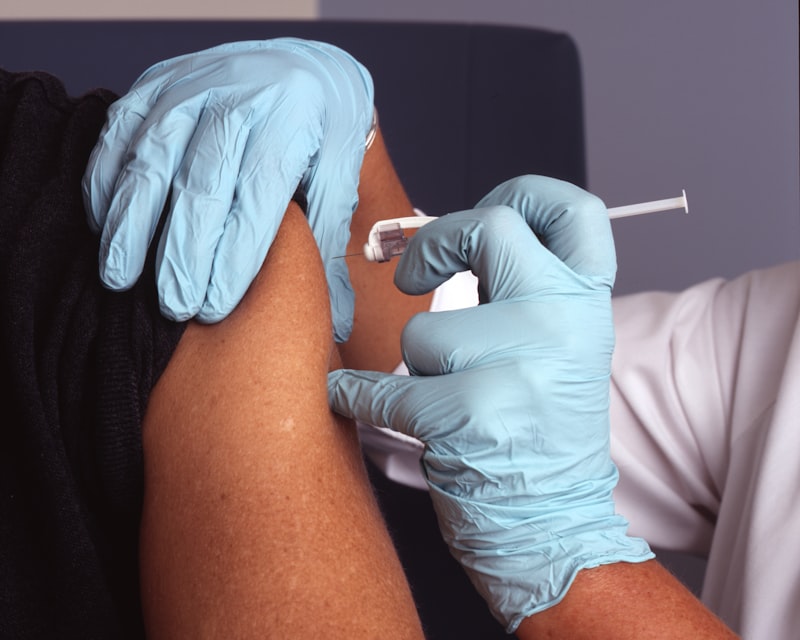
Globally, women represent around 70% of the health and social care workforce. From nurses and midwives to doctors, researchers and therapists, women play a critical role in keeping healthcare systems running.
Their work includes:
- providing frontline patient care
- supporting safe pregnancies and childbirth
- leading clinical research and innovation
- educating healthcare students and young professionals
- managing public health programmes
Without these professionals, hospitals and clinics simply would not function.
The Leadership Gap in Healthcare
Despite their strong presence in the healthcare workforce, women remain underrepresented in leadership positions.
Many hospitals and research institutions still see fewer women in roles such as:
- hospital executives
- department heads
- clinical research leaders
- medical directors
Several factors contribute to this gap, including structural barriers to promotion, limited mentorship opportunities and the ongoing challenge of balancing demanding careers with caregiving responsibilities.
Improving representation in leadership matters because leadership shapes the direction of healthcare systems, research priorities and patient care strategies.
Why Women’s Health Is Still Underfunded and Under-Researched

For decades, much of medical research focused primarily on male participants. As a result, significant knowledge gaps still exist around how diseases affect women.
Several important health conditions affecting women have historically received less research attention, including:
- endometriosis
- polycystic ovary syndrome (PCOS)
- menopause-related health conditions
- cardiovascular disease in women
Heart disease, for example, remains one of the leading causes of death among women worldwide. However, symptoms in women can differ from those in men, meaning they have sometimes been overlooked or misdiagnosed.
Increasing investment in women’s health research is essential for improving diagnosis, treatment and long-term patient outcomes.
Why Investing in Women’s Health Benefits Everyone
Closing the research gap in women’s health benefits the entire healthcare system.
When research better reflects real patient populations, healthcare professionals can deliver more accurate diagnoses and more effective treatments.
Greater investment leads to:
- earlier detection of diseases affecting women
- more effective treatments and medications
- improved maternal healthcare
- better long-term health outcomes
In short, improving research into women’s health helps build a stronger and more equitable healthcare system for everyone.
Celebrating Women in Healthcare
On International Women’s Day, it is important to recognise the dedication of the millions of women working across healthcare every day.
From nurses working night shifts to doctors, therapists, students and researchers pushing medicine forward, their work shapes the future of patient care.
Supporting women in healthcare means promoting equal opportunities, investing in research and recognising the incredible contribution women make to medicine worldwide.
FAQ
Why are women important in healthcare?
Women represent around 70% of the global healthcare workforce and play key roles in patient care, research and public health systems.
Why is women’s health under-researched?
Historically, many medical studies focused mainly on male participants, which created gaps in understanding how diseases affect women.
Why is International Women’s Day important in healthcare?
International Women’s Day highlights the achievements of women in healthcare while raising awareness about gender gaps in leadership and research funding.